This is part of a 200ha BNG habitat improvement plan. Living Uplands is not an agent. More information is available from Bidwells.
- Heathland & scrub: 31.06 units (upland heathland with cross-leaved heath h1b6)
The heathland has been overgrazed over many years. The first step in habitat improvement will be to limit grazing to a period of no more than four summer months, with numbers compatible with assuring seasonable growth of grasses and assurance that pressure on remnant dwarf shrub vegetation is reduced.
Livestock will be removed in September, at which time selected areas of rank vegetation will be prepared and locally sourced moss-rich material and harvested moorland seed material will be introduced onto these areas.
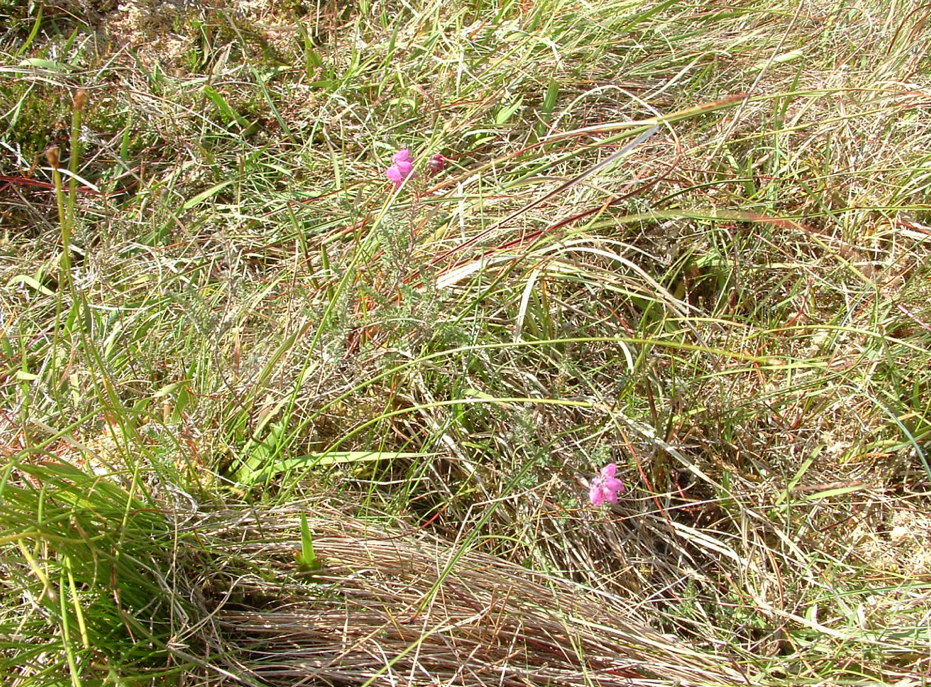
The aim is to encourage growth of dwarf shrub and sphagnum mosses across over more than a third of the heathland. Important plants on heathland are Hare’s-tail and Common cotton grasses, Cross-leaved heath, ling heather and Bilberry.
What success looks like.
Living Uplands looks forward to reporting on progress in the improvement of habitat and what we learn from monitoring methods and data collected. With climate change, the more we understand about the impact on ecosystem services the better informed we will be in making management decisions to sustain health and life of our great English upland landscape.