This is part of a 200ha BNG habitat improvement plan. Living Uplands is not an agent. More information is available from Bidwells.
- Grassland: 30.17 Units (upland hay meadow g3b)
The unimproved hay meadow at Swinhope Head is species rich in localised areas and the objective is to selectively spray, followed by cutting and blowing to move seed-rich material from species-rich areas onto less diverse swards. Additionally, locally sourced unimproved hay meadow seed material will be introduced.
The mix of vegetation will offer nest sites for the skylark, and breeding opportunities for small mammals that will be a benefit to seed dispersal.
Livestock grazing will be strictly limited, perhaps at the end of season to tread in seed-rich brash and reduce grass height.
Improvement to the overall meadow would see an impressive list of wildflowers established and sustained: Cat’s-ear, Fairy Flax, Grass of Parnassus, Harebell, Lady’s Bedstraw, Lady’s Mantle (Slender, Smooth and Pale), Quaking Grass and Eyebright.
What success looks like.
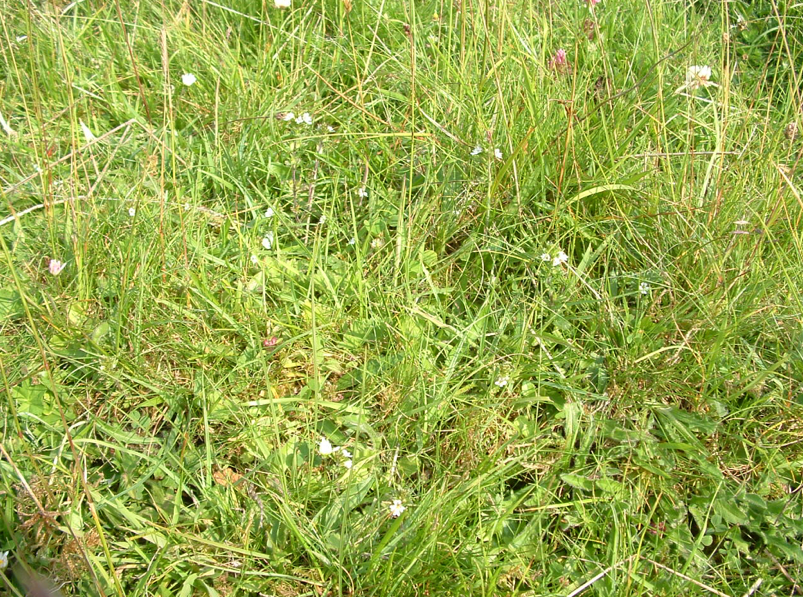
- Grassland: 34.43 Units (upland acid grassland gb1)
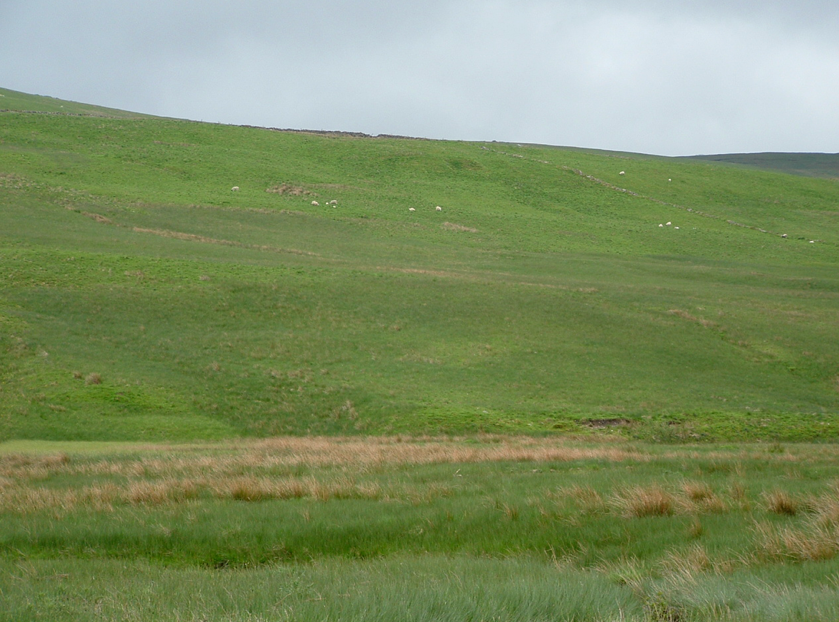
In contrast upland acid grassland has a limited range of plants. The priority here will be to manage seasonal grazing to assure the presence of species indicating this habitat; mat-grass, wavy hair-grass, and sweet vernal grass. Where needed, spot treatment will be required to supress creeping thistle. Soft rush will be broken up by cutting periodically, after ground-nesting birds have fully fledged.
Both grassland habitats will have stock control assured by repairs to walls and new fencing.
What success looks like.
Living Uplands looks forward to reporting on progress in the improvement of habitat and what we learn from monitoring methods and data collected. With climate change, the more we understand about the impact on ecosystem services the better informed we will be in making management decisions to sustain health and life of our great English upland landscape.