A variety of BNG Wetlands
This is part of a 200ha BNG habitat improvement plan. Living Uplands is not an agent. More information is available from Bidwells.
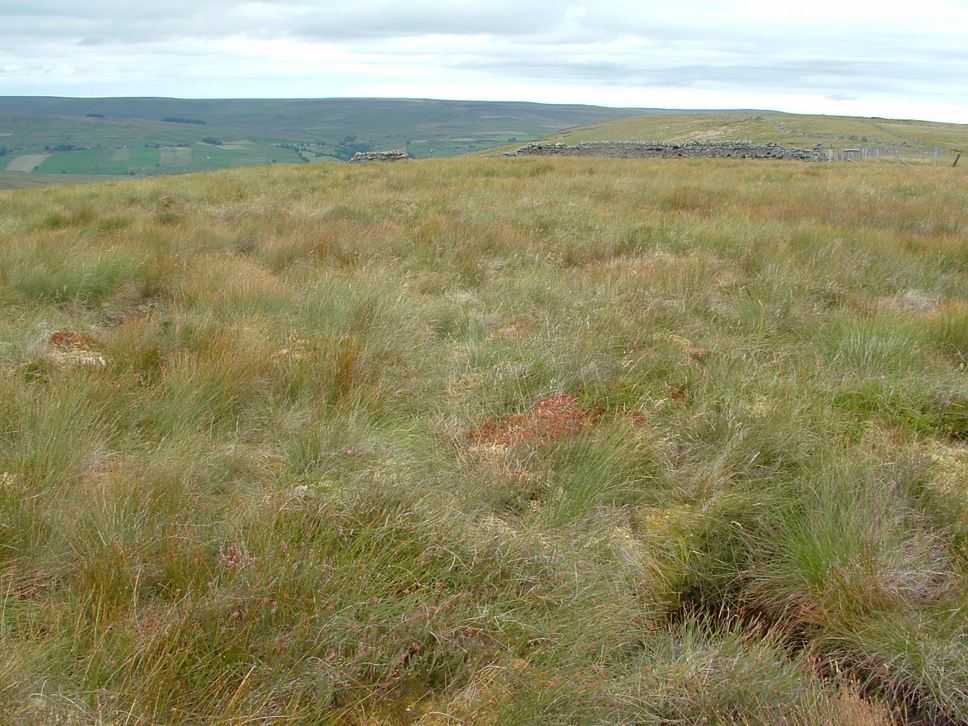
- Blanket Bog – moderate/fairly good condition: 102.64 units (wetland f1a5/f1a6)
The area of Blanket Bog wetlands available as BNG Units are close together and plans for improvement are broadly comparable.
In general the objective is to improve the water table in these areas and enhance water retention and improve water quality as well as habitat. This will be achieved by improvement of vegetation and reprofiling of gullies and water channels To manage the area best to create improvements minor reprofiling of gulleys and water channels and the creation of shallow pools where possible.
Livestock will be restricted through a strict summer grazing regime. All walls and fencing will be retained or replaced to assure stock control.
Livestock control alone will enable target plant species to flower and set seeds for dispersal. Localised sites that are species poor will require moss-rich brash and harvested draft shrub seed to be spread out; enhancing coverage of plants such as such as cotton grasses, heather, bilberry, crowberry and bog asphodel and sundew.
What success looks like.
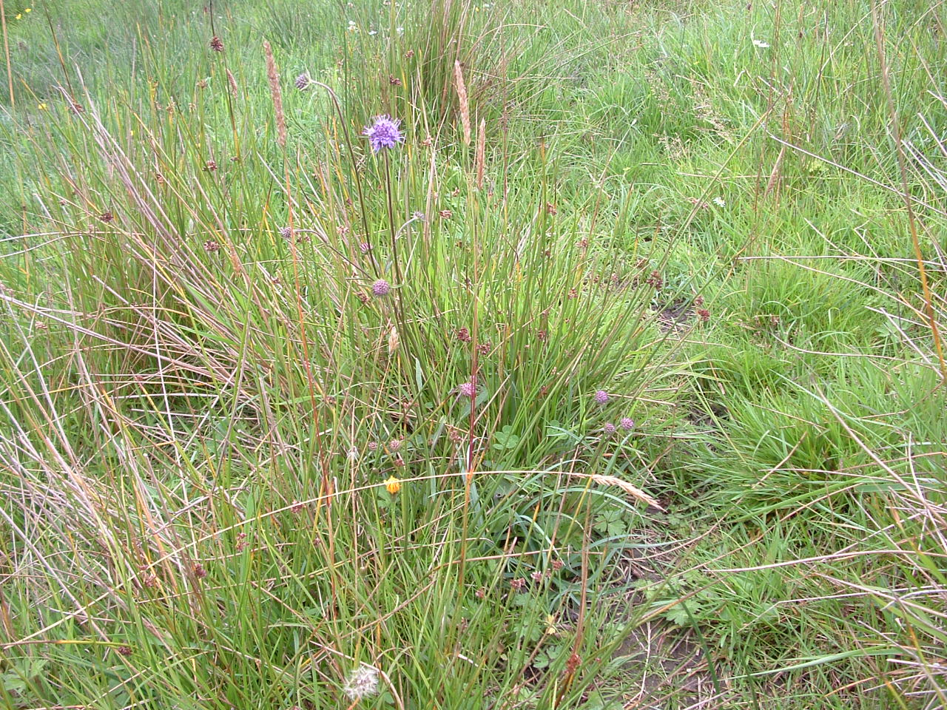
- Purple moor-grass & rush pasture: 15.94 units (wetland f2b)
Below the higher moor there is an area of moor-grass and rush pasture. The objective is to raise the water table and this will be achieved by reprofiling shallow grips.
Controlling grazing at a level will enable indicator plant species to flower, set and disperse seeds. There will be a need to suppress the spread of creeping thistle. The improving habitat should assure the healthy presence of target plant species such as Carnation Sedge, Devil’s-bit Sabious, Marsh-marigold, and Ragged-Robin.
What success looks like.
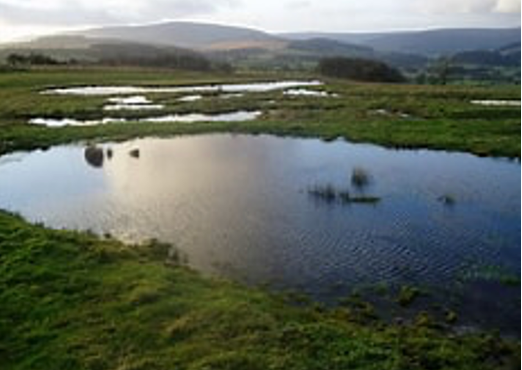
- Upland flushes; fens and swamps: 9.9 units (wetland f2c)
This area is just to north and west of the Burn, alongside the water course. Where there is rush dominated vegetation, areas of open water will be created to provide suitable nesting and feeding habitat for the Common Sandpiper (Amber Conservation status). These pools would be no deeper than 450mm and no less than 20m2. Conditions will be ideal for the Sharp-flowered rush, soft rush and bog mosses, and nesting Sandpipers, enhanced by spread of rank vegetation. [DH1]
What would success look like.
Living Uplands looks forward to reporting on progress in the improvement of habitat and what we learn from monitoring methods and data collected. With climate change, the more we understand about the impact on ecosystem services the better informed we will be in making management decisions to sustain health and life of our great English upland landscape.