Living Uplands is pleased to have supported a local farm in Weardale to the point where plans for commencing the improvement of around 200 ha of varied habitats.
There are eight different habitats across the area:
- Grassland – Upland Hay Meadow
- Wetland – blanket bog
- Wetland – fens (upland and lowland)
- Wetland – purple moor grass and rush pastures
- Heathland and shrub – upland heathland
- Woodland and forest – wet woodland
- Grassland – upland acid grassland
- Watercourse
The thirty-year project, bound by the agreements made with Durham County Council, make this an exciting programme of work, where habitat improvement is both measured and monitored against an agreed plan. While many of these habitats are defined as very distinctive, over grazing and neglect has left much of the area with definite room for improvement.
Despite being ‘distinctive’ this land would also be defined as ‘marginal’ agriculturally. To that end, BNG offers Improvement and income to the farm where little else other than grazing would be possible. BNG reaches these parts where ELMS does not.
Living Uplands has had a passion to better understand the uplands, though gathering data. This was at the heart of early work with Black Grouse (link to story) and our annual bird count in association with Durham Wildlife Trust’s young volunteers now in its tenth year.
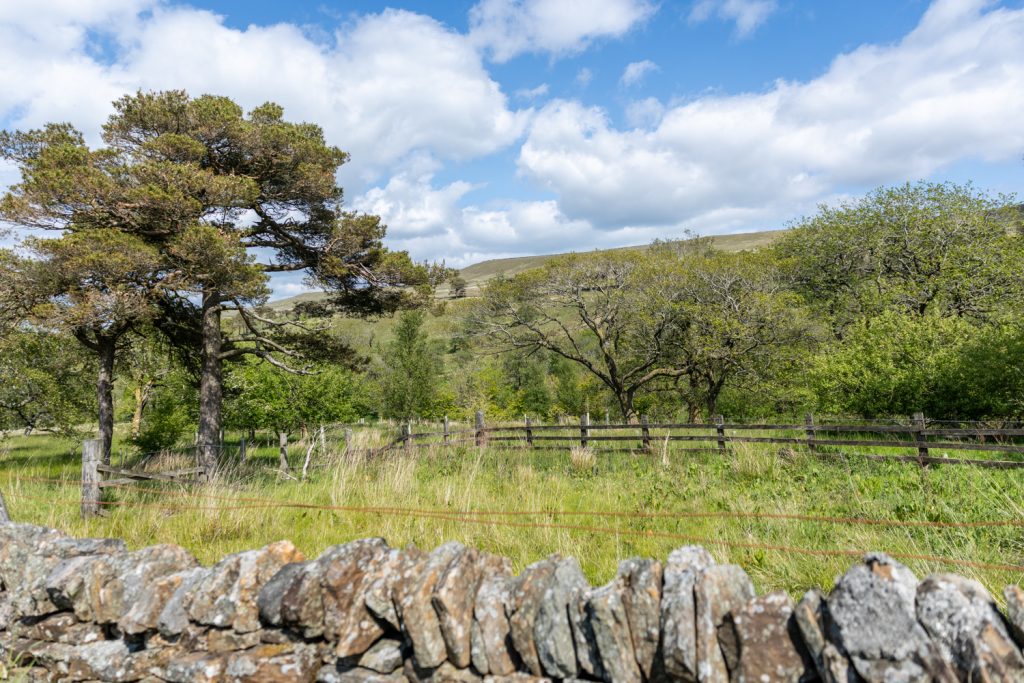
Over the coming months we will look at each of the habitats and explore the ways in which the habitat monitoring can be used to learn more about life in the uplands. Such a varied range of habitats alongside each other will certainly help us understand the relationship between habitats and we hope to extend that to better understand how wildlife responds to habitat improvement across such a large area. Basic preparatory work will begin this summer.
Change will take time. We are nevertheless excited at what we will learn and what we are able to share over the coming years.